Getting a tooth chipped, decayed, cracked, or discolored is not uncommon. The good thing is that there are many treatments available to address these issues. One of the options is tooth bonding. It restores both your smile and confidence.
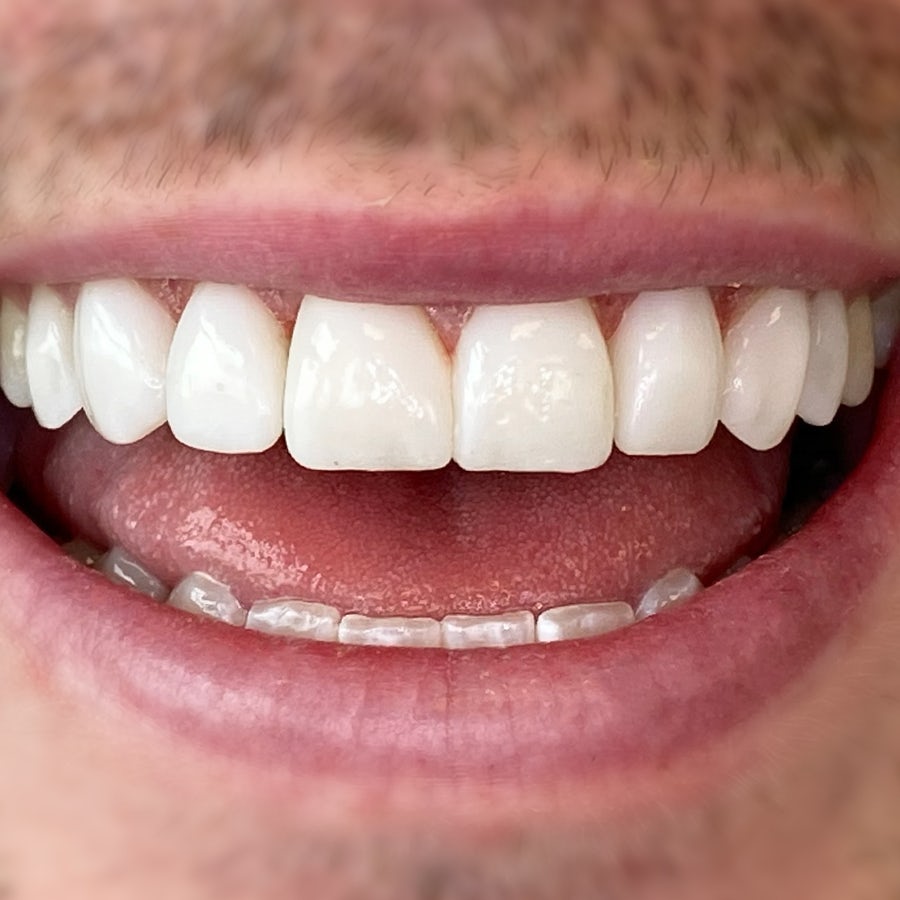
What is dental bonding?
The application of composite resin to the surface of teeth to repair them is known as dental bonding. This cosmetic dental procedure is simple, effective, and inexpensive. This procedure completes in a single dental visit.
Why might you need it?
Despite being the simple and least expensive dental procedure, bonding is a solution to many dental problems. Dental bonding is most used in the correction of chipped or discolored teeth. Other solutions provided by dental bonding include closing gaps between teeth and changing the shapes of teeth to make them look a bit longer. Bonding is also used to secure teeth after putting in dental amalgam or metal fillings to protect the exposed root.
The procedure
The dentist will refer to a shade guide to select the right shade of the resin. This shade will be the same as that of your natural teeth. He will roughen the surface of the tooth where the composite resin has to be applied. He will then use a conditioning liquid on the roughened area to make the resin stick to the surface of the tooth.
After preparing the tooth, the dentist will apply the putty-like resin to it. He will mold this resin to achieve the desired shape. A special ultraviolet light will be used to harden it. After that, there may be some additional touches required for the proper shaping. Polishing will further adjust the color of the composite resin.
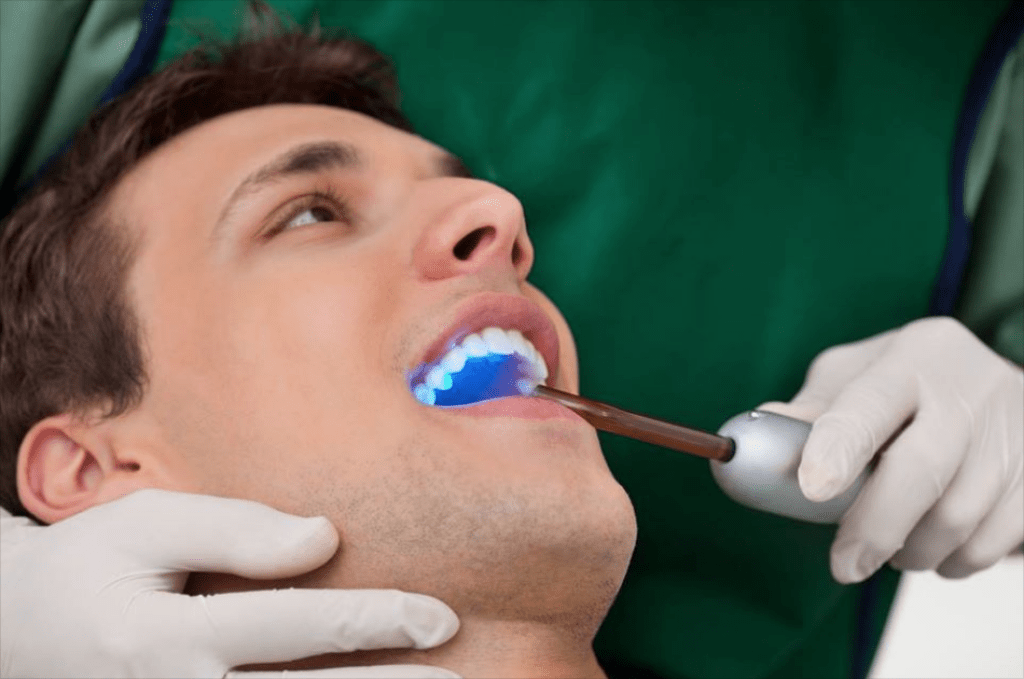
The procedure of dental bonding takes 30 minutes to one hour. If you need bonding done on multiple teeth, you may need to visit your dentist multiple times. Because this dental procedure doesn’t require the administering of anesthesia, you may return to your routine immediately after the procedure.
Risks
The pitfall of dental bonding is that the composite resin is not as strong as the tooth enamel. It means that the risk of chipping or breaking of the resin is always there. If you want to undergo this procedure, you will need to quit a few habits, such as biting your nails and chewing on ice, as it can damage the resin.f
Caring for the bonded tooth
The longevity of dental bonding depends on the amount of resin you have got on your teeth. Your dental habits also play a significant role in this regard. Generally, you will want to take care of your bonded teeth the same way you would care for your natural teeth.
Because dental bonding is more prone to staining, you will need to be mindful of the consumption of items that can stain your teeth. You may want to avoid smoking and alcohol consumption, both of which are highly disastrous habits for your oral health and overall health.
It is best to visit your dentist regularly. During these visits, the dentist will check the condition of your dental bonding to make sure that you are not in urgent need of repairing.
 Bonding Theory